
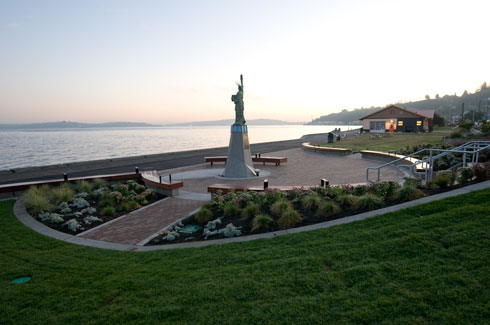
We had about 15 at the AIA/CORA Pro Bono Design panel discussion. Â Joining me on the panel was Rachel Minnery from Environmental Works, and Geoff Piper from Global Studio.
A couple of valuable points that came out of our discussion:
1. Â Pro bono work is different than being a volunteer. Â Pro bono service is the application of our professional abilities, judgement, experience, creativity to work for the public good. Â Volunteering is a valuable component of civic life, such as working for Habitat for Humanity, but is probably relatively unskilled labor.
2. Â Vet potential clients--they need to have the community connection, stability, and personnel to carry out the mission, because our work as architects is really just the beginning for any pro bono project. Our work may be the seed, but it takes a committed organization to make the investment a reality.
3. Â Treat pro bono projects just as you would any other project in the office. Â Otherwise, you're doing both your client and our profession a disservice by treating it as a less than serious undertaking. Â That means contracts, liability, life safety, and solid construction documents.
4. Â Work on projects/issues that you are interested in. Â First it will help make the commitment easier to make, help you build experience in that area, and help to show people (and potential clients) where your heart lays.
As architects, we're often not in the driver's seat with regards to the project, but with pro bono, you have to take up the mantle of a shared mission with that community group or cause, and part of the compensation for your investment in time is taking the project where you think it should go. Â Your vision may be underrated in the private sector, but essential to many non-profits trying to raise funds. Â It is a wonderful opportunity to be entrepreneurial, Â make connections with a larger community, and act not only as problem solvers, but problem identifiers.
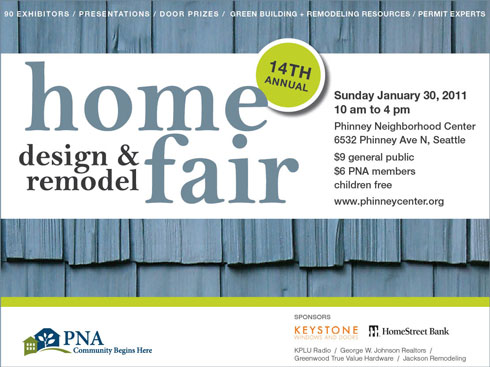 Join CAST and 89 other exhibitors at the Phinney Ridge Home Fair! Â Always a good time to pick the experts'Â brains about whatever home improvement issue you may be having. Â Plus, there is a special emphasis on green companies and services, including landscaping, solar tech, '
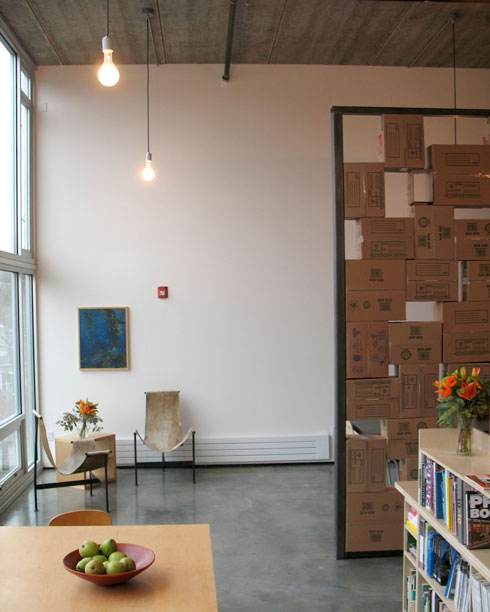
 Our new office at 115 North 36th Street is fully operational. Â Now back to work....
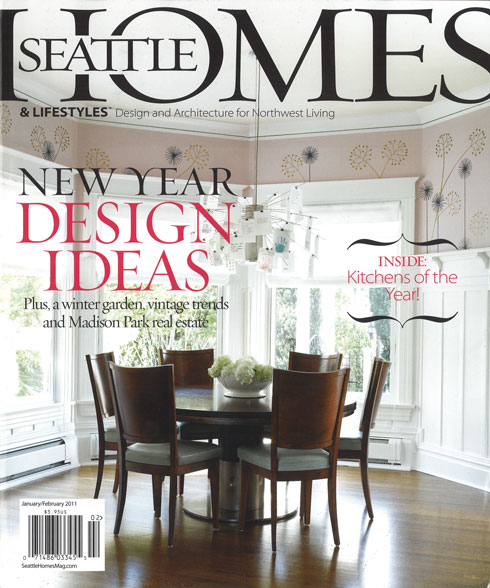 Congratulations to Randy and Sage!
  After 10 years in our Leary and 6th location, CAST architecture has completed our move to a brighter, larger space at 115 N. 36th Street in Fremont  (98103), overlooking the Canal.  Our phone number is staying the same, but we've been having a few snags with the new phone service and should have it worked out today.
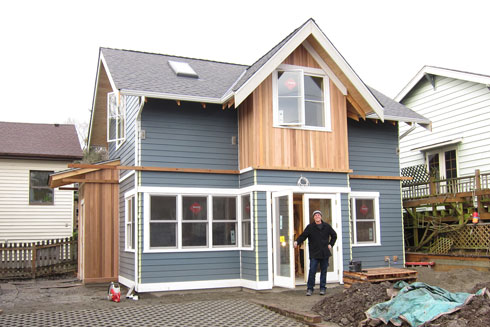 The cottage in Phinney Ridge is taking shape--it is all dried in and the drywall is up. Â One of the owners is pictured above savoring being on the cutting edge of increased density in Seattle's single family zoning!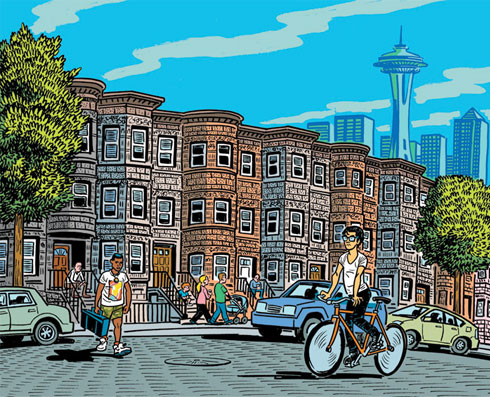
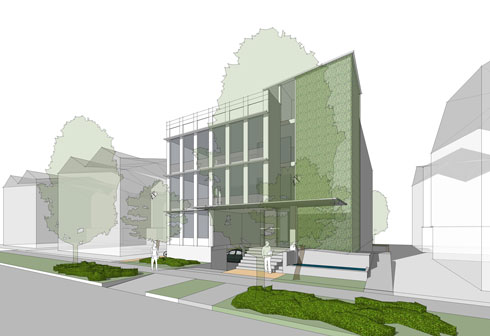 The new Multifamily Code is scheduled to come up for a vote before Council on Monday. Â After years of process, hearings, and work shaping the outcomes, the new code will have some new attributes geared toward more flexibility in heights, parking, setbacks, and density. Â It disincentivizes the '6 pack' townhomes everyone dislikes and gives out bonuses for green building, designs that hid parking and give a better streetscape.