
We are very excited to begin a new project for the Sunset Hill neighborhood to transform an abandoned City Light substation parcel into a pocket park.  Based on the input from the community thus far, the program is very intriguing:  a community space with an artist-in-residence caretaker, powered by a serious photovoltaic array. There may be more or different elements as the project evolves in the community design process, and as we navigate through various City agencies and funding sources, but fundamentally this has all the values we expound as a firm:  sustainable building, energized public space, housing options/density, and  an interactive process that invests people in the civic life of their neighborhood.
In 2008, I designed a structure with a similar program for a Dwell Magazine conceptual competition:
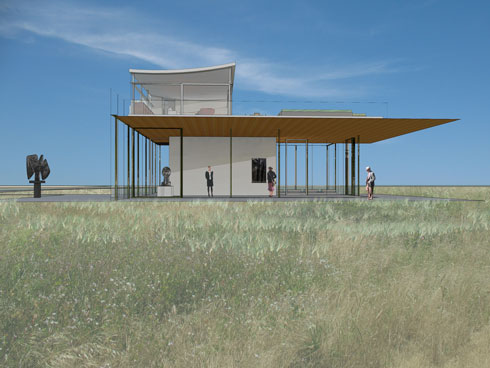
Set at the east end of Crissy Field in San Francisco, this Community Room/Exhibit Hall creates an anchor for a new sculpture park. The hall is a multipurpose space, more infrastructure than building--for public events, private events, exhibits, etc. The glass sliding panels open the hall to the public, the park and the views of the Golden Gate Bridge.
A small caretaker's residence is situated on the second floor, using the broad roof of the Community Room as a vegetable garden, eliminating the conflict between the public park and the private residence. The glass screen walls provides security, and electricity--the design on the glass is created with a photovoltaic interlayer, which powers the house and hall. Stormwater is captured, stored and used to irrigate the roof garden.
While this little conceptual project may help to inform the Sunset Substation, I'm excited to apply some of this experience in designing a real world pocket park.
Stay tuned....
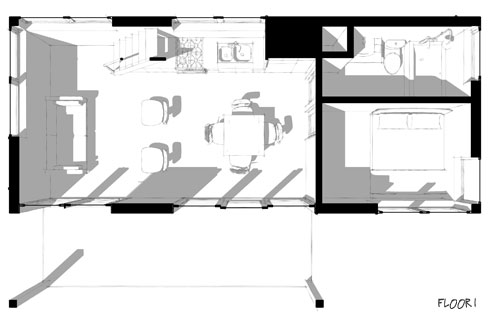
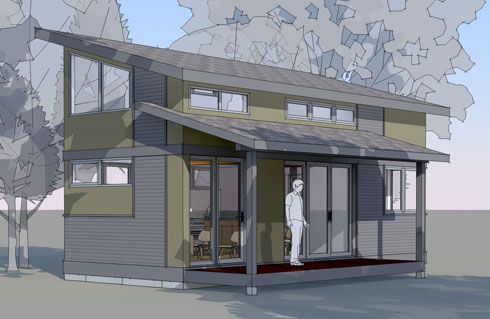 We can't seem to get enough of Seattle's new citywide backyard cottage ordinance...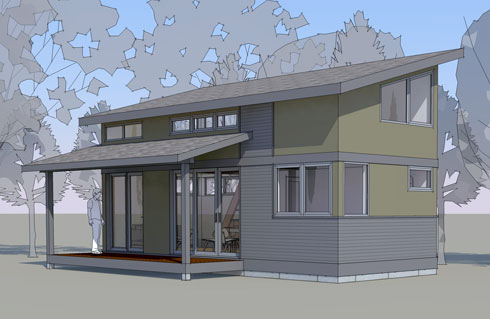
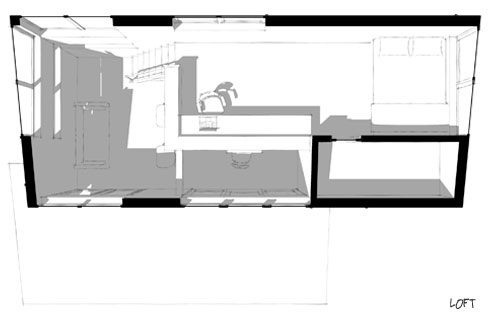
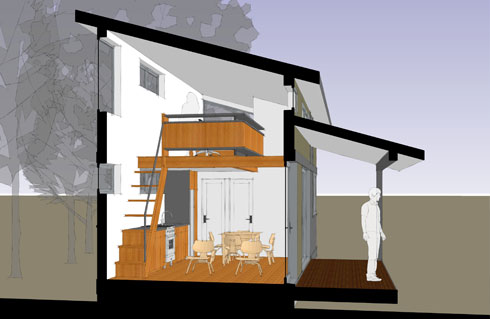
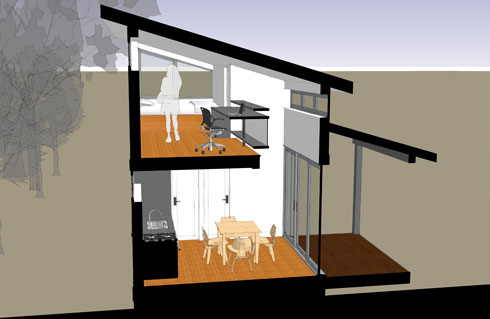
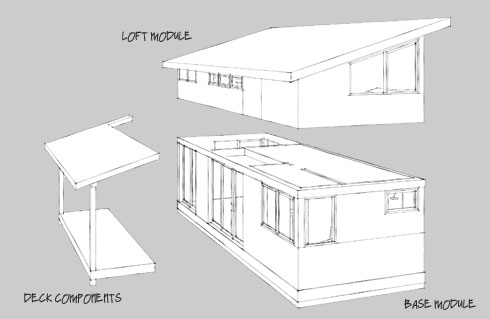
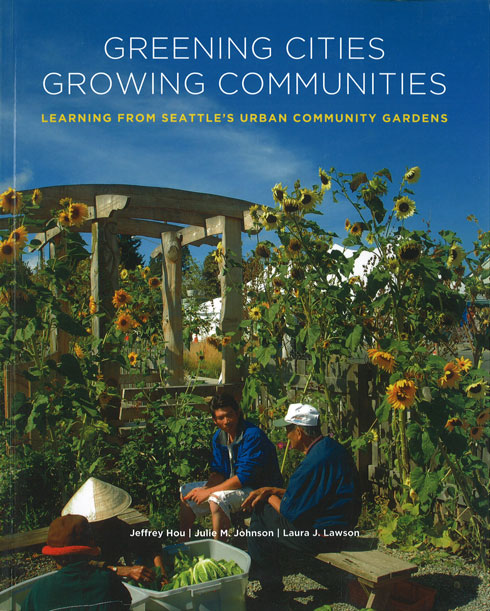 We are very excited to see
 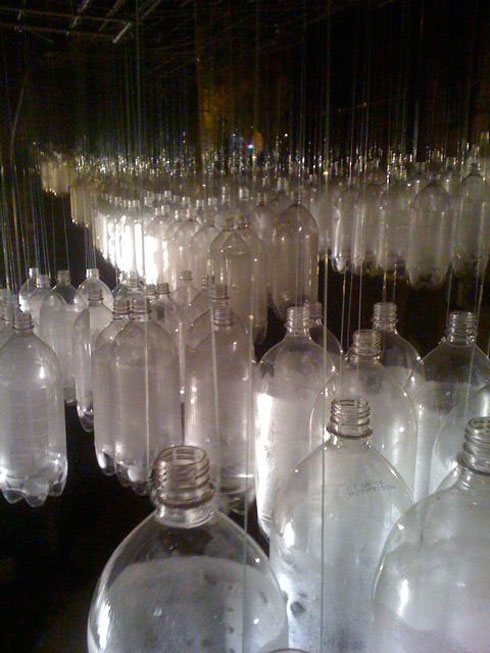 Our installation just got linked on the
 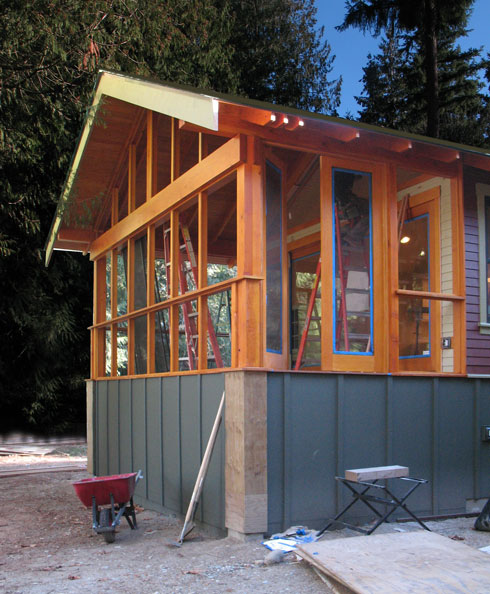 We have been working on a house remodel in Sammamish for the last year and a half and it is finally closing in on completion, so I fiqured I post some construction photos from my site visit this morning. Â One my favorite elements is a screen porch off the dining room, partially because it is a great example of the client's vital participation in the process, and part because it is going to be such a wonderful place to hang out. Â The screen porch was born in programming when we were discussing how half the family loved hanging out outdoors, but the other half hated the bugs. Â In order to keep the family together, the screen porch was the simple solution. Â Connected to the dining room via a large panel siding door, framed with care so that the structure is all exposed, it cuts to the soul of the house they wanted: Â engaged with the outdoors, family-centric, with a elegant simplicity that highlighted the materials and craft.
Next summer: the landscaping with a stairway that bridges across a simple water feature.
We have been working on a house remodel in Sammamish for the last year and a half and it is finally closing in on completion, so I fiqured I post some construction photos from my site visit this morning. Â One my favorite elements is a screen porch off the dining room, partially because it is a great example of the client's vital participation in the process, and part because it is going to be such a wonderful place to hang out. Â The screen porch was born in programming when we were discussing how half the family loved hanging out outdoors, but the other half hated the bugs. Â In order to keep the family together, the screen porch was the simple solution. Â Connected to the dining room via a large panel siding door, framed with care so that the structure is all exposed, it cuts to the soul of the house they wanted: Â engaged with the outdoors, family-centric, with a elegant simplicity that highlighted the materials and craft.
Next summer: the landscaping with a stairway that bridges across a simple water feature.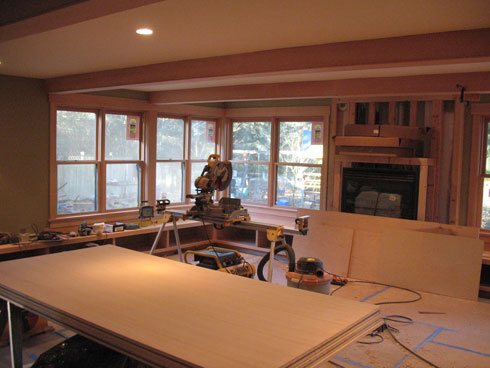 The family room is also starting to come together. Â The room has a band of 6' windows that wrap around three walls with bench seats below, a slate fireplace, and a coffered ceiling. Â The bench seats will have leather cushions and storage underneath for games etc, making it the perfect cozy hang out spot.
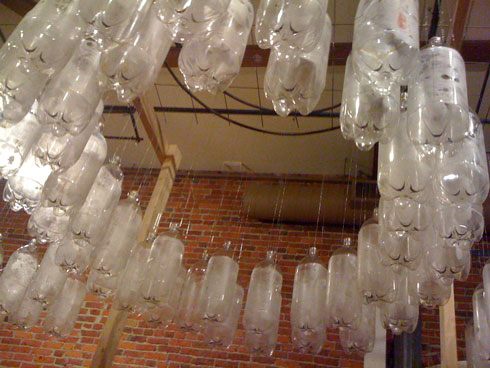 We are working on a collaborative art installation for the Nord Building's upcoming Alley Party, sponsored by two non-profits, Feet First and the International Sustainability Institute.
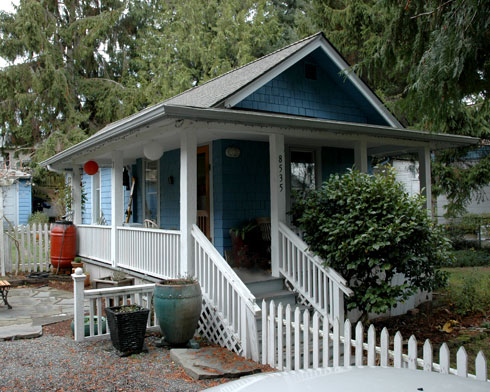 Greenwood resident Kate Lichtenstein contacted us last spring to help her design a backyard studio / guest house for her modest 650 square foot 1920's one bedroom home (shown above). While the home's scale fits nicely with Kate's desire to have a simple and ecologically responsible lifestyle it falls a little short when it comes to a rough and ready workshop space for art, bicycle repair, ski tuning and building projects. Kate's home also lacks the space for a home office / guest room - something that she would like to integrate into the new structure.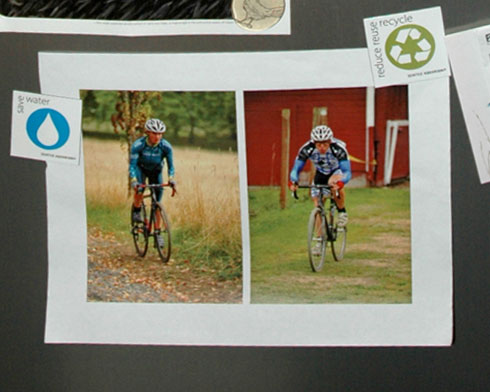
 We just heard that another one of our projects is going to be featured in Fine Homebuilding Magazine!
The
We just heard that another one of our projects is going to be featured in Fine Homebuilding Magazine!
The 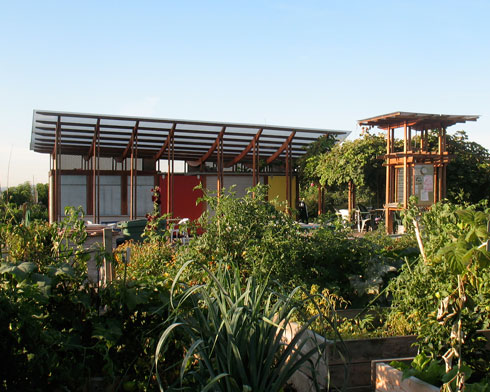 CAST has been involved in a number of  pro bono projects over the years, such as
  Cheers to Stefan for his excellent presentation at the NW Ecobuilding Guild's annual celebration of innovation in sustainability!